

What Does it Take to Be a Glazier?
Glaziers are skilled craftsmen who make use of an innovative building material to give homes, offices, and skyscrapers a stunning appearance. This skill-based craft requires years of education as well as extensive on-the job experience.
The majority of glaziers learn their craft through apprenticeship, which combines classroom instruction with on-the-job training. They may also pursue an education in a construction related field.
Glass Cutting and Sculpting
Cutting and sculpting glass is both art and science. It also requires precision and expertise. Glaziers must prepare the work area with care and be aware of the specific properties of each type glass to ensure accurate measurement, minimize waste material and achieve the desired aesthetics and functional results for their project.
The most popular method of cutting glass is scoring the glass using cutters, and then applying pressure to break it along the score line. It is ideal for curvy or straight lines, and is great to cut out windows and mirrors, creating custom glass doors and basic stained-glass creations.
The glazier will mark the glass where they want to cut it with an unpermanent marker. Having a clear and precise mark is essential to the success of the work, so the glazier needs to take time to make sure it's as clean as they can. They should also ensure that the marker is securely held in place to ensure constant pressure throughout the cutting process.
Then, the glazier must use a glass cutter to create a consistent scoring line on the glass. This should be done along the entire edge of the marker line, and a consistent force is required to create a clean and successful fissure. It is recommended that a glazier uses a tool specifically designed to score glass. For instance, a comfort grip (*paid link) supercutter. These tools are specifically designed to apply upward pressure to the glass in order to cause the process of creating a fracture.
Running pliers can be used to apply pressure on the glass that is not scored after the glazier scores the glass. This method is more precise and helps to avoid crushing the glass. It can be used for long or short scorelines. Alternatively, the glazier can simply tap the glass with a sharp object on a hard surface to propagate the crack along the score line.
After the glass is cut, it can be smoothed out by hand or using a machine to smooth any rough edges. This is essential to ensure that the edges aren't too sharp to be safe to handle. This is also useful for fitting the glass into the frame or lead came, and is typically required for custom window designs, intricate glassworks, and detailed stained glass projects.
Installation
Glaziers install glass fixtures in a wide range of structures. They install shower windows and doors in residential buildings, and also tabletops and display cases. They can also work on skylights, decorative room dividers, as well as security glass. For large construction projects, they take precut glass and ensure it is positioned and correctly secured within frames or aluminum sashes. This requires them to lift heavy and cumbersome pieces of glass, then assemble it on the job site.
Glazing is an artform, as well as trade, and skilled glaziers often look for higher-level certification opportunities, such as the Certificate III in Glass and Glazing. These credentials provide glaziers with the ability to complete more complex work and increase their chances of advancement in their careers.
All installation projects such as securing windows for a shopfront or building custom windows for your home, require the expertise of a seasoned glazing contractor. They must have a strong grasp of the construction process and the ability to read blueprints and sketches, and have a thorough understanding of the various installation methods. Continuing education opportunities will help glaziers keep up to date with industry trends and discover new techniques which can improve efficiency and boost their bottom line.
The basic toolkit of Glaziers includes drills and saws aswell cutting tools, power tools and glass cutting and engraving equipment. They must be physically fit to move and lift heavy, bulky materials and be comfortable working outdoors under varying weather conditions. Solvents and chemicals can be found in adhesives sealants, cleaning solutions, etching products and other cleaning solutions. They must also follow the safety guidelines for each job they carry out.
As with any craft becoming a glazier requires time and dedication. Many enter the field through an apprenticeship that typically lasts for four years and provides the chance to earn a full-time salary while they learn. These programs are governed by a union or contractor association and a high-school diploma is required to be enrolled.
Glaziers can add style to commercial installations by constructing unique custom pieces of glass and fixtures. They can design bespoke windows for restaurants, attractive room dividers, or striking etched patterns on the glass doors. This combination of technical proficiency and artistic aesthetics makes them a valuable factor in the design and construction industries.
Repair
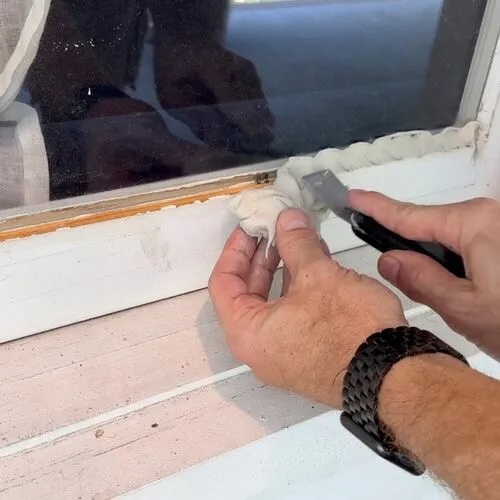
Glaziers are also proficient in repair and maintenance of window frames as well as other components. They will determine the cause of the damage, decide on a repair method and then conduct a thorough examination prior to installing new glass. This involves securing the glass by caulking or using glazing compounds, and repairing or replacing frames, fasteners, and hardware.
As with other tradespeople, collaboration and communication are the most important elements of the glazier's work. They frequently meet with architects as well as project managers and other tradespeople in order to understand the design specifications and discuss methods of installation. They work with clients to meet their needs throughout the manufacturing and installation processes.
Some glaziers specialise in specific applications, such as shower screens or decorative glass panels. They could even be involved in bespoke endeavours, such as creating stained glass windows for churches or heritage buildings. These special projects require a great deal of knowledge in both traditional and contemporary architectural styles and techniques.
Glaziers are also skilled in preparing, transporting large glass structures to the construction site. This can be complex, and requires them to utilise a range of specialised tools and equipment. They also have to be able to navigate challenging workplaces, which include dangerous sites.
As part of their job Glaziers must adhere to various safety rules and procedures to ensure that they do not cause injuries. Wearing protective clothing, securing materials and tools correctly and taking precautions to stay away from hazards such as flying debris are all part of this. Glaziers should also be prepared for the dangers of working from high altitudes. This includes falling down and being crushed by large glass sheets.
A career as an artisan glazier could be a lucrative career choice for those looking to join the skilled trades. It is crucial to have the right qualifications and experience to get started. A high school diploma is the prerequisite for the majority of skilled trades, but further education can be beneficial. Glaziers also require an approved tradesperson's licence. This is available through the Queensland Building and Construction Commission and they issue an official Glazier scope of work licence specifically for those wishing to work in the industry.
Maintenance
Glaziers repair, replace, and inspect existing glass features on structures. They also offer advice on aesthetic enhancements, energy efficiency and safety. They bring technical expertise and artistic aesthetics to construction projects, whether they are working on an architectural room divider or a beautiful skylight.
Most glaziers are full-time workers. They typically learn through a 4-year apprenticeship after receiving a high school diploma or equivalent in a vocational school or supervised by a contractor or union. On-the-job instruction combines formal training with the practical application of skills. This includes specialized methods, safety protocols, and basic mathematics. They should be skilled with a variety of hand and power tools as well as materials like metal framing, drywall and insulation.
In addition to working on-site, glaziers work in fabrication or workshops facilities, where they carry out specialized duties such as cutting and shaping glass, glass fabrication, and polishing. In these controlled settings, glaziers are able to concentrate on the technical aspects of their work and ensure precision in their work.
Glaziers are often required to be on site to repair damaged windows or other glass installations. In Door Glazier and Glazing , they must be prepared to assess the damage and address the issue in a variety of repair options including using adhesives specifically designed for glass to attaching plastic sheeting or applying epoxy to stop any further damage to the installation.
As they travel from one place to another, glaziers should be aware of their physical demands. They may have to stand for long periods of time or reach up and lift heavy sheets. They also face risks from possible falls when climbing scaffolding or ladders as well as exposure to solvents in sealants, adhesives, and chemicals for etching. They should also follow roper guidelines when working at heights and follow strict fall protection plans.
Glaziers can progress their careers by becoming journeymen, and later superintendents or foremen. They are skilled in organizing labor teams and setting out materials, are able to visualize the finished product, and possess good people skills are often promoted to supervisory positions.